
Building Upper Body Strength with Pull
As practitioners of yoga or strength training, we often focus on building muscle mass and developing our physical abilities through various exercises and techniques. However, one crucial aspect of upper body development is often overlooked: the importance of pulling exercises.
The Importance of Pulling Exercises
Pulling exercises are essential for building a strong upper body because they target multiple muscle groups simultaneously, including the back, shoulders, and arms. These muscles work together to stabilize the shoulder joint, generate power, and enable movement. Without proper strength in these areas, you may experience poor posture, reduced athletic performance, or even injury.
When we focus on pushing exercises, such as push-ups or dumbbell presses, we often neglect our pulling abilities. This can lead to an imbalance between our upper body strength, making us more susceptible to injury and less effective in daily activities.
The Benefits of Pulling Exercises
Incorporating pulling exercises into your workout routine offers numerous benefits:
- Improved posture: Strengthening your back and shoulder muscles helps maintain proper alignment and reduces the risk of poor posture.
- Increased strength: Pulling exercises target multiple muscle groups, resulting in improved overall upper body strength and power.
- Reduced injury risk: Building strong muscles around the shoulder joint reduces the likelihood of injuries, such as strains or tears.
- Enhanced athletic performance: A well-developed upper body enables better movement patterns and generates more power for various sports and activities.
Common Pulling Exercises
Some essential pulling exercises to include in your workout routine are:
1. Lat Pulldowns
- Attach a lat pulldown bar to the top of a cable machine.
- Sit down at the machine with your knees securely under the knee pad.
- Grasp the bar with an overhand grip, keeping your elbows close to your body.
- Pull the bar towards your chest, squeezing your lats and avoiding arching your back.
- Return to the starting position and repeat for 8-12 reps.
2. Rows
- Stand facing a row machine or bench with dumbbells in each hand.
- Keeping your core engaged and back straight, lift the weights towards your chest.
- Focus on squeezing your lats and avoiding swinging the weights.
- Return to the starting position and repeat for 8-12 reps.
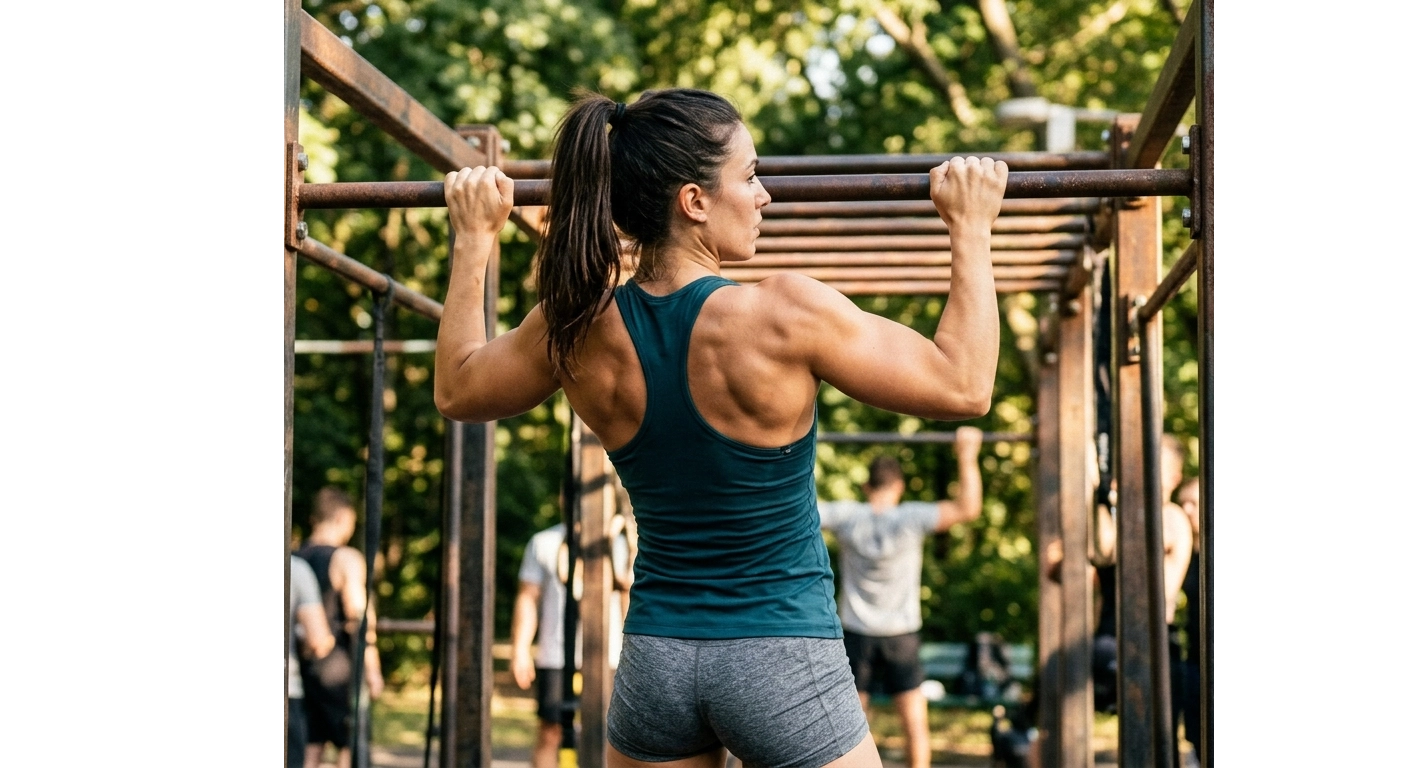
3. Pull-ups
- Find a sturdy pull-up bar or use an assisted machine.
- Hang from the bar with your hands shoulder-width apart.
- Engage your core, squeeze your lats, and slowly lift yourself up until your chin clears the bar.
- Lower yourself back down to the starting position and repeat for 8-12 reps.
4. Dumbbell Bent-Over Rows
- Stand with your feet shoulder-width apart and hold a dumbbell in each hand.
- Bend at the waist, keeping your back straight and core engaged.
- Lift the weights towards your chest, focusing on squeezing your lats and avoiding swinging the weights.
- Return to the starting position and repeat for 8-12 reps.
Tips and Variations
To maximize the benefits of pulling exercises and minimize the risk of injury:
- Start with lighter weights: Focus on proper form and technique before increasing weight or resistance.
- Use a full range of motion: Avoid swinging or jerking movements, maintaining control throughout each rep.
- Incorporate different grip styles: Experiment with pronated (palms facing forward), supinated (palms facing backward), and neutral grips to target specific muscle groups.
- Alternate between exercises: Incorporate a mix of pulling exercises to avoid overloading any single area.
By incorporating these essential pulling exercises into your workout routine, you’ll develop a strong upper body, improve your posture, and reduce the risk of injury. Remember to focus on proper form and technique, gradually increasing weight or resistance as needed.