
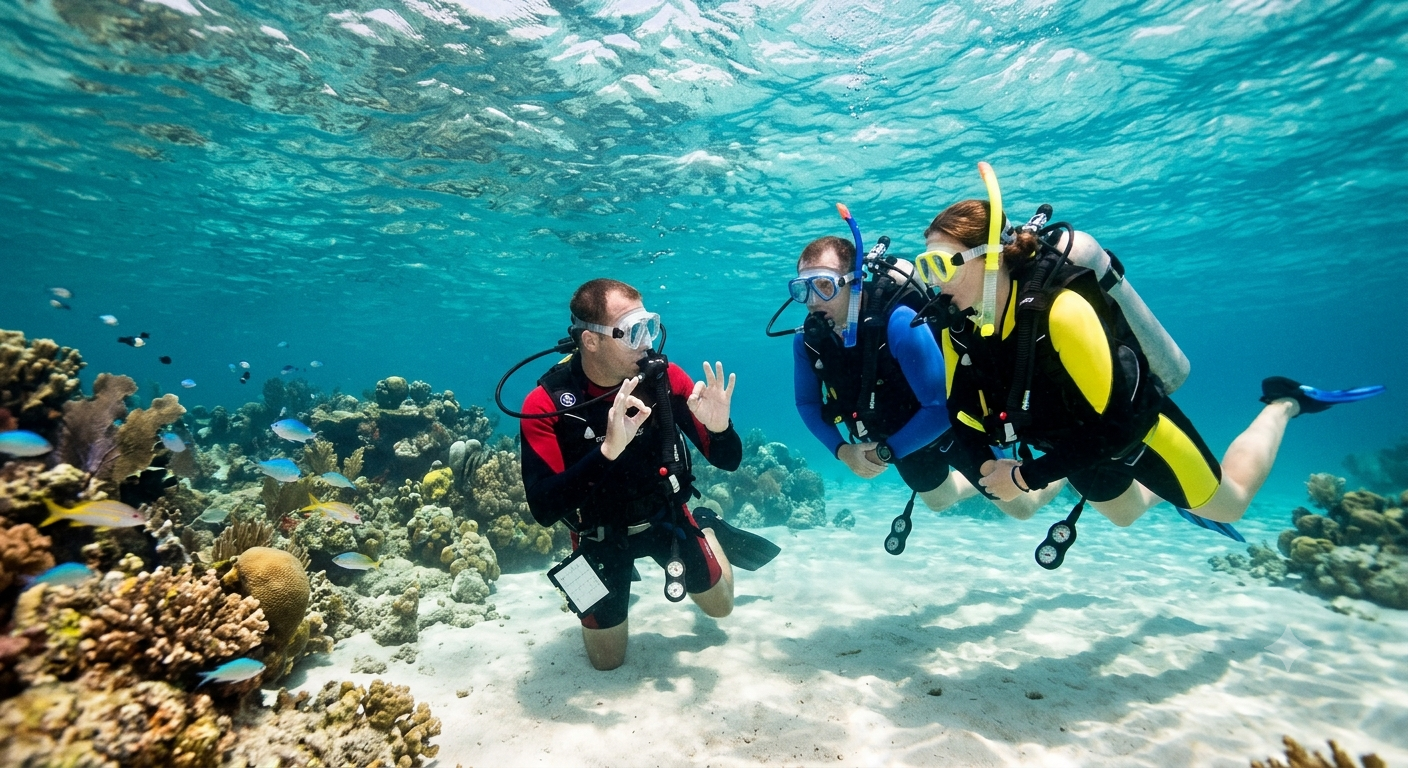
Understanding Scuba Diving Safety Guidelines for Beginners
Scuba diving is a thrilling and rewarding experience that allows you to explore the underwater world in a way that few other activities can. However, it requires a great deal of planning, preparation, and caution to ensure that you stay safe while diving. As a beginner, it’s essential to understand the safety guidelines and regulations that govern scuba diving to minimize the risks and maximize your enjoyment.
Pre-Dive Planning
Before you even get in the water, it’s crucial to plan your dive carefully. This involves researching the location, checking the weather and sea conditions, and ensuring that you have the necessary equipment and skills for the dive. Here are a few key considerations to keep in mind:
Choosing the Right Dive Location
Not all dive locations are suitable for beginners. Some locations may have strong currents, shallow water, or other hazards that can put you at risk. Research the location carefully and choose a site that is known for being beginner-friendly. Consider factors such as the water temperature, visibility, and depth.
Checking the Weather and Sea Conditions
Weather and sea conditions can be unpredictable, and they can quickly turn a safe dive into a hazardous one. Check the forecast before you head out and be prepared to cancel the dive if the conditions are not suitable.
Ensuring You Have the Right Equipment
Make sure you have the necessary equipment for the dive, including a scuba tank, regulator, BCD, and wetsuit or dry suit. Ensure that all of your equipment is in good working order and that you have a backup plan in case something fails.
Getting Proper Training
Scuba diving requires specialized training and certification to ensure that you can use the equipment safely and dive within your limits. Get proper training from a certified instructor and obtain a diving certification that is recognized by the international community.
In-Water Safety
Once you’re in the water, there are a number of safety considerations to keep in mind. Here are a few key guidelines to follow:
Maintaining a Safe Depth
Dive within your depth limit and avoid pushing yourself beyond what you’re comfortable with. Remember that depth increases pressure, which can cause nitrogen narcosis, lung overexpansion, and other hazards.
Monitoring Your Air Supply
Keep an eye on your air supply and make sure you have enough air to complete the dive safely. Avoid running low on air and make sure you have a plan for emergency situations.
Staying Aware of Your Surroundings
Be aware of your surroundings and watch for hazards such as strong currents, marine life, and underwater obstacles.
Using Safety Equipment
Use safety equipment such as a dive computer, depth gauge, and compass to help you stay safe and navigate the dive site.
Making a Safe Ascent
When it’s time to end the dive, make a safe ascent by following established procedures and checking for any hazards in the water.
Emergency Procedures
Even with proper planning and precautions, accidents can still happen. It’s essential to know what to do in case of an emergency. Here are a few key procedures to follow:
What to Do in Case of a Panic Attack
If you experience a panic attack while diving, try to remain calm and follow established procedures for emergency ascent.
What to Do in Case of a Lost Buddy
If you lose your buddy while diving, try to locate them and make a safe ascent. If you’re unable to locate your buddy, call for assistance and follow established procedures for emergency response.
What to Do in Case of a Diving Accident
In the event of a diving accident, follow established procedures for emergency response and seek medical attention as soon as possible.
Conclusion
Scuba diving is a thrilling and rewarding experience that requires a great deal of planning, preparation, and caution. By following established safety guidelines and regulations, you can minimize the risks and maximize your enjoyment. Remember to plan your dive carefully, stay aware of your surroundings, and know what to do in case of an emergency. With proper training and equipment, you can have a safe and enjoyable dive.