
START
SUP
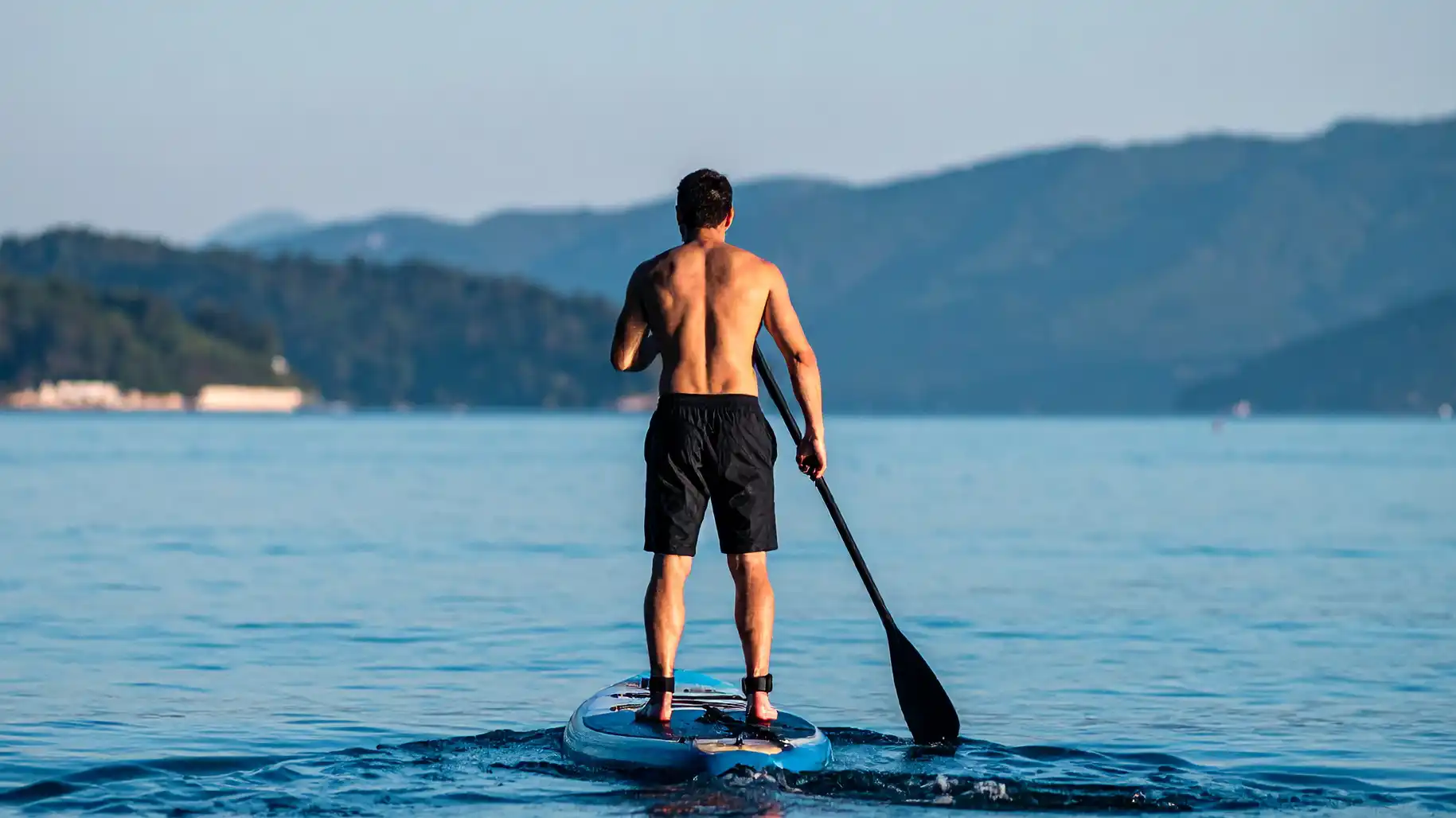
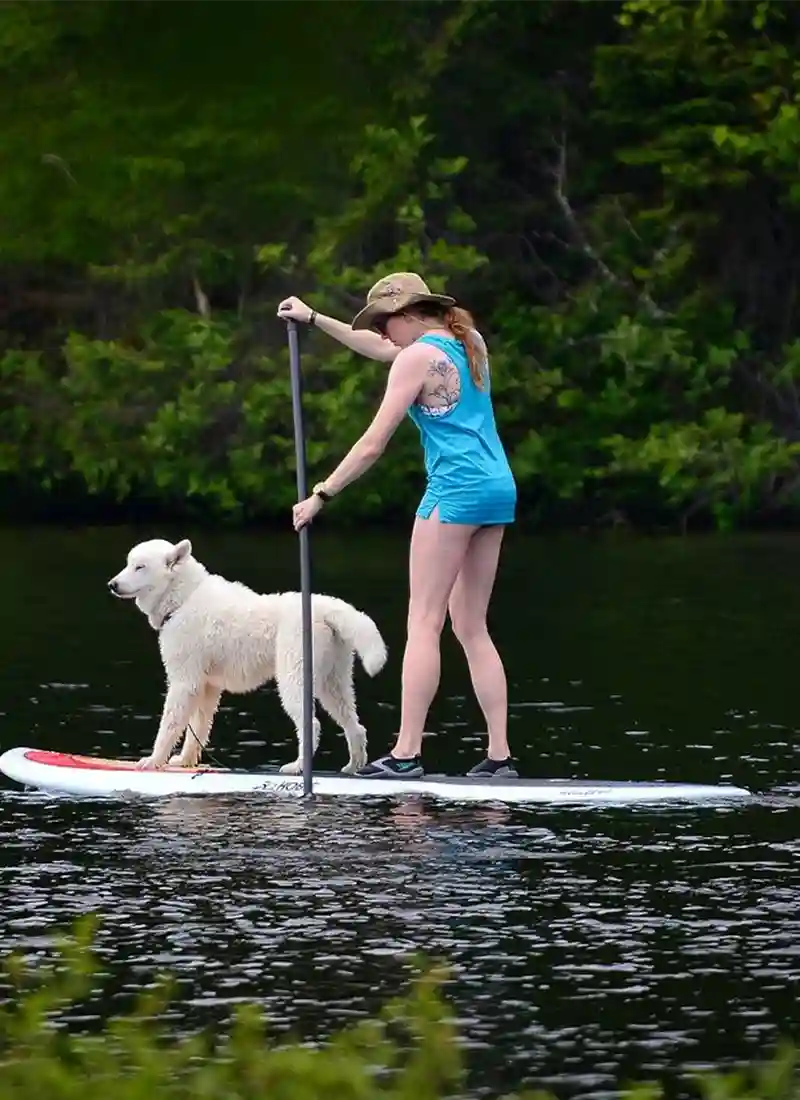
SUP (Stand Up Paddleboarding) is a versatile and enjoyable water sport that offers a unique combination of adventure, relaxation, and fitness, accessible to all skill levels.
TIPS TO START
- Choose the Right Equipment: Start with a wider, longer, and more stable board and ensure the paddle is about 6-10 in (15-25 cm) taller than you for efficient paddling.
- Use a Leash: Always attach the leash to your ankle or calf. This keeps your board close if you fall off.
- Start in Calm, Flat Water: Begin in calm waters such as a lake or a quiet river to practice balancing and paddling.
- Check the Weather and Water Conditions: Avoid windy conditions and strong currents, especially as a beginner.
- Practice Standing Up: Start kneeling on the board, then move to a standing position using your hands for support.
- Keep Your Feet Parallel and Spread Wide: Stand in the middle of the board with your feet parallel, about hip-width apart.
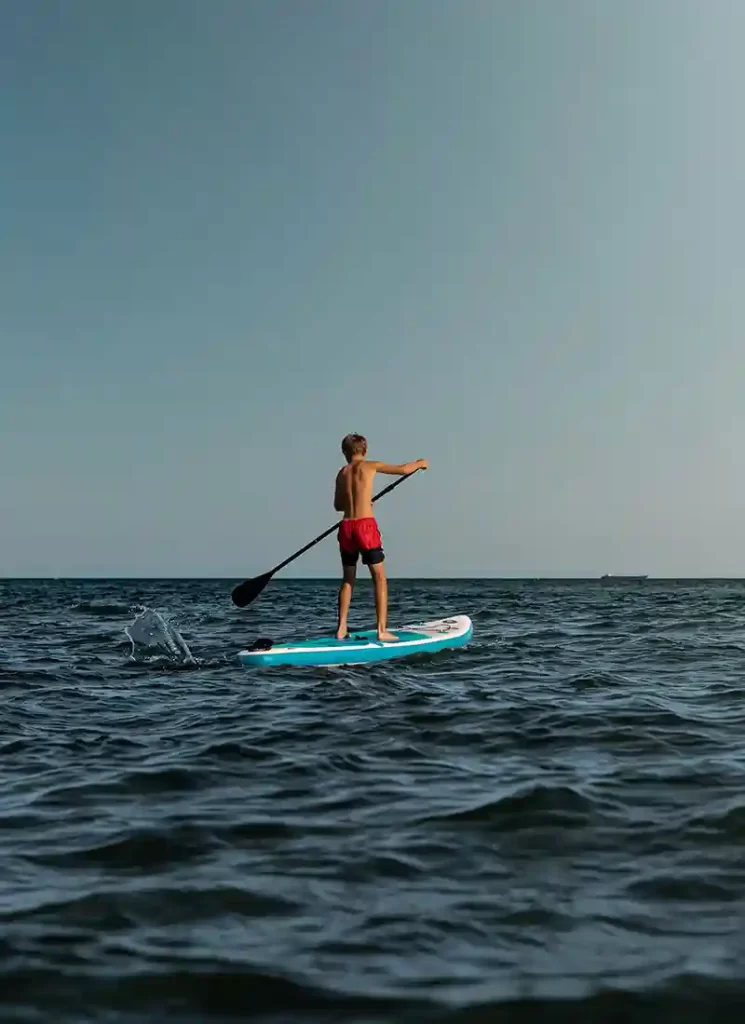
- Look at the Horizon for Balance: Keep your gaze fixed on the horizon, not down at your feet, to maintain balance.
- Practice Falling & Getting Back On: Learn the safest way to fall (away from the board) and practice getting back on your board from the water.
Go ahead and take the plunge – the water’s waiting!
BASIC EQUIPMENT
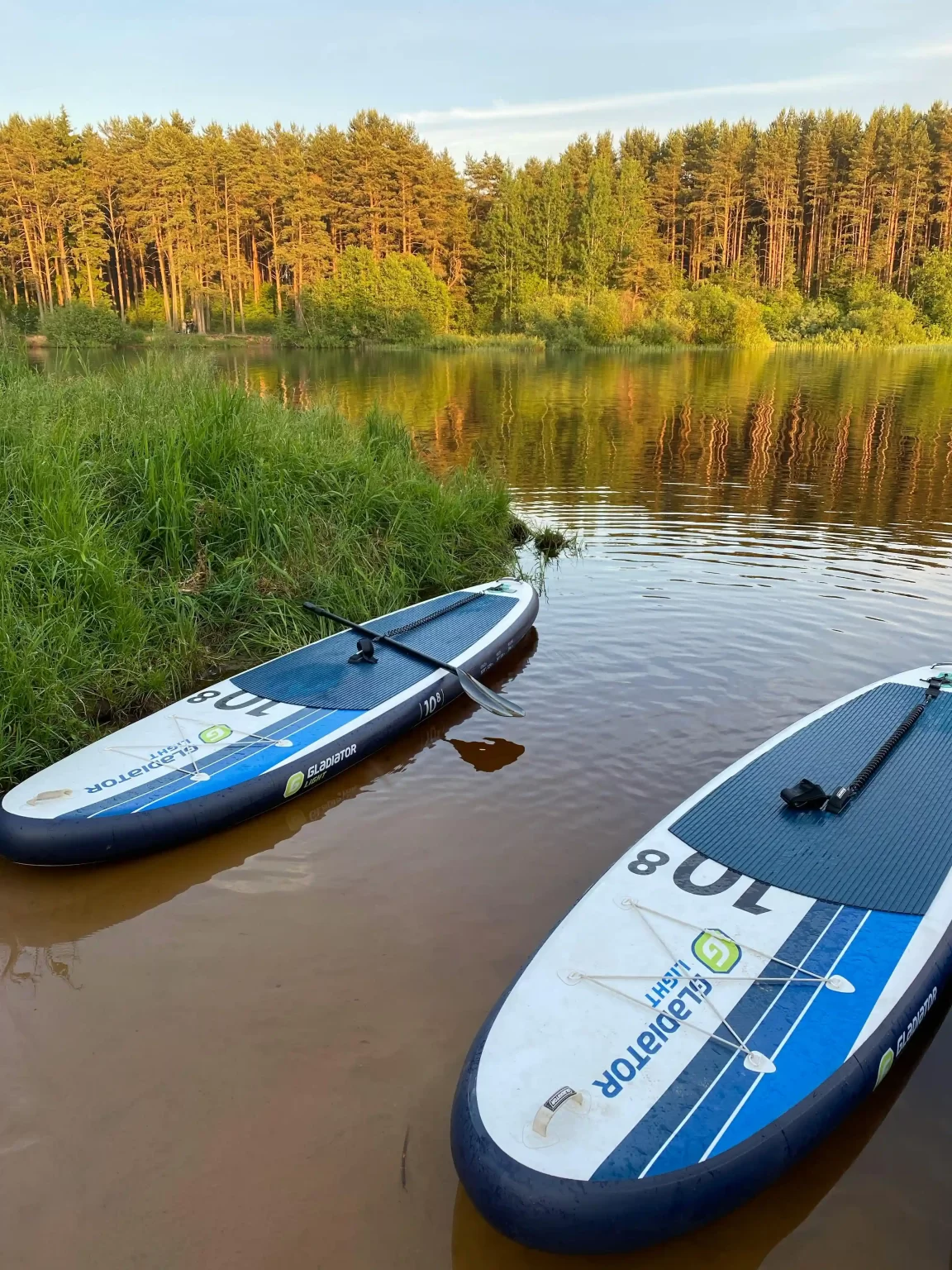
- SUP Board: Beginners should opt for wider, longer, and thicker boards for better stability.
- Paddle: Should be about 6-10 inches taller than you; materials vary by weight and performance.
- Personal Flotation Device (PFD): USCG-approved life vest required in many areas.
- Leash: Keeps your board attached to you for safety.
- Proper Clothing: Wetsuit or drysuit in cold water; quick-dry clothing in warm conditions.
- Waterproof Bag: Keeps essentials dry, such as phone and snacks.
- Sun Protection: Sunscreen, hat, UV-protective clothing.

MAIN MUSCLES
SUP is an excellent full-body workout that engages multiple muscle groups. Here’s a list of the primary muscles trained when beginning SUP:
- Core Muscles: The abdomen and lower back maintain balance and stability.
- Shoulder Muscles: Deltoids and rotator cuff used extensively in paddling.
- Upper Back Muscles: Engaged to pull the paddle through the water.
- Arms: Biceps and triceps drive the paddling motion.
- Leg Muscles: Maintain balance and stance on the board.
COMMON INJURIES
SUP is relatively low-impact, but like any physical activity, it comes with a risk of injuries.
- Shoulder Strain: Frequent paddling can lead to rotator cuff tendinitis or impingement.
- Back Pain: Improper posture or prolonged sessions can cause lower back issues.
- Ankle Sprains: Falling off and landing awkwardly may sprain ankles.
- Knee Injuries: Twisting improperly when falling or rigid stance risks ligament strains.
- Sunburn: Long sun exposure without protection can cause severe sunburn.

The Secret to Balance: Look at the Horizon, Not Your Feet
If you’ve ever tried balancing on one leg or walking along a narrow path, your first instinct is probably to stare down at your feet. It feels safer—like if you watch every step, you’ll somehow keep yourself steady. But here’s the twist: the more you focus on the ground, the…
Read more →
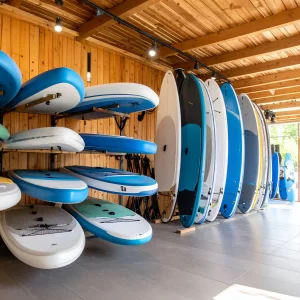
SUP Buying Guide for Beginners
Stand-up paddleboarding (SUP) is a fun and accessible way to enjoy the water, but choosing your first board can be confusing with so many options available. This guide will help you make an informed decision and get started with confidence. 1. Decide How You’ll Use Your SUP Think about where…
Read more →
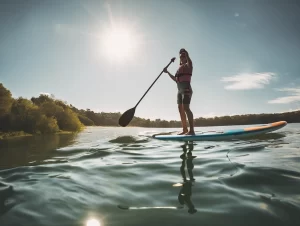
First SUP Outing: What to Expect and How to Prepare
Embarking on your first Stand Up Paddleboarding (SUP) adventure is an exciting prospect, but it can also be a bit daunting if you’re not sure what to expect. Proper preparation is key to ensuring that your initial experience on the water is both enjoyable and safe. From packing the right…
Read more →
Building Upper Body Strength with Pull
Building Upper Body Strength with Pull As practitioners of yoga or strength training, we often focus on building muscle mass and developing our physical abilities through various exercises and techniques. However, one crucial aspect of upper body development is often overlooked: the importance of pulling exercises. The Importance of Pulling…
Read more →
Understanding Scuba Diving Safety Guidelines for Beginners
Understanding Scuba Diving Safety Guidelines for Beginners Scuba diving is a thrilling and rewarding experience that allows you to explore the underwater world in a way that few other activities can. However, it requires a great deal of planning, preparation, and caution to ensure that you stay safe while diving.…
Read more →

Why Walking Is a Great First Step for General Fitness
When people decide it’s time to get in shape, they often picture sweat-drenched gym sessions, heavy weights, or grueling runs. Because of that, walking usually gets pushed to the sidelines. But the truth is, walking is one of the most effective, underrated tools we have for improving overall health—and it’s…
Read more →

Mastering the Tennis Serve: A Beginner’s Guide
Ask any tennis player what took the longest to learn, and the serve will almost always top the list. It’s the one shot you practice alone, at your own pace — and yet it still manages to feel impossibly complicated. The good news? Breaking it down into its core parts…
Read more →

Tennis Stance: A Comprehensive Guide for Beginners
The tennis stance is the foundation of any tennis player’s technique. It’s the starting point for every shot, every movement, and every strategy. However, many beginners struggle to develop a solid tennis stance, which can lead to poor technique, injuries, and frustration on the court. Understanding the Importance of a…
Read more →
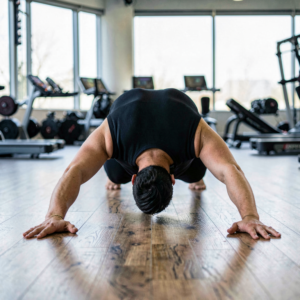
Why You Should Start With Bodyweight Exercises for General Fitness
When it comes to improving general fitness, many people turn to weightlifting, cardio machines, or group fitness classes. While these methods can be effective, they may not be the best starting point for beginners or those looking to establish a foundation for more advanced workouts. Bodyweight exercises, on the other…
Read more →